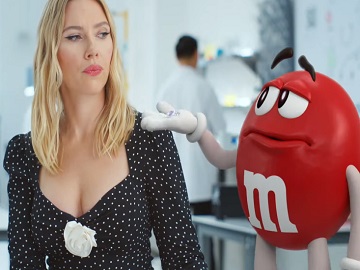
M&M's Super Bowl Ad: Scarlett Johansson's Almost Champions Ring Steals the Show
The Super Bowl isn't just about football; it's a colossal stage where brands battle for attention, often spending millions for a mere 30 seconds of airtime. Every year, the ad campaigns become as talked about as the game itself, with companies vying to create memorable moments that resonate long after the final whistle. Among the most anticipated Super Bowl ads, those that skillfully blend humor, celebrity power, and a touch of self-awareness often rise to the top. This year, M&M'S delivered a prime example, charming audiences with its "Almost Champions Ring of Comfort" commercial, featuring an unexpected roster of nearly-there heroes, including none other than Hollywood superstar Scarlett Johansson.
The concept of a "ring" takes on many meanings during the Super Bowl period—from the coveted championship hardware to the humble doorbell, and even the symbolic circle of comfort offered by a beloved candy. This article delves into the creative genius behind M&M'S's ad, contrasts it with other notable Ring Commercial Super Bowl moments, and extracts valuable lessons for brands navigating the high-stakes world of Super Bowl advertising.
The Allure of the "Almost Champions Ring": M&M'S Masterclass in Relatability
M&M'S Super Bowl commercial was a delightful subversion of expectations. Instead of celebrating winners, it focused on the unsung heroes who came tantalizingly close. Titled "The Almost Champions Ring of Comfort," the ad cleverly pivoted from the traditional narrative of victory to embrace the universal experience of near-misses and finding solace in disappointment. The spot brilliantly cast a trio of legendary athletes synonymous with "almost"—NFL Hall of Famers Dan Marino, Terrell Owens, and Bruce Smith—and then threw a curveball with Scarlett Johansson.
The 30-second spot opens with Dan Marino, iconic for never quite clinching a Super Bowl victory, asserting, "Only Super Bowl winners get a ring, right? Wrong! It’s actual science." He then proceeds to explain the ingenious (and entirely fictional) process of transforming M&M’S Peanut Butter candies into genuine diamonds. The humor escalates as Yellow M, one of the brand’s beloved mascots, tries to lick the shimmering "bling," only to be disappointed that it doesn't taste like peanut butter.
Marino continues, deadpan, "Then we polish them with the size of those who almost won a Super Bowl," gesturing to Smith and Owens, both giants in their respective positions who also retired without a Super Bowl ring. The ultimate punchline, however, comes with Scarlett Johansson’s inclusion. The accomplished actress, known for her powerful performances, reveals her own "almost champion" status: "I've lost two Oscars." To cap it off, the Red M dryly adds, "In the same year!"
This Ring Commercial Super Bowl ad was a masterclass in several areas:
- Relatability: Everyone has experienced an "almost." By celebrating these moments rather than shying away from them, M&M'S connected with a broader audience on a deeply human level.
- Humor and Self-Deprecation: The ad’s humor was gentle and self-aware, particularly with Johansson’s confession. It allowed viewers to laugh with, rather than at, the "almost champions."
- Celebrity Synergy: The choice of celebrities was perfect. Marino, Owens, and Smith are instantly recognizable figures of near-greatness in sports, while Johansson added a touch of unexpected glamour and broadened the ad's appeal beyond sports fans.
- Product Integration: The "Ring of Comfort" tied directly into M&M'S Peanut Butter, positioning the candy not just as a treat, but as a source of solace and a small victory in itself.
The M&M'S ad served as a reminder that comfort and camaraderie can be found even in defeat, making it a standout in a sea of high-production, often serious, Super Bowl commercials.
When Rings Go Wrong: The Ring Doorbell's "Search Party" Controversy
While M&M'S embraced humor and relatability, another brand with "ring" in its name faced significant backlash for its Super Bowl presence. Ring Doorbell, Amazon's smart home security company, aired an ad introducing its new "Search Party" feature. This feature aimed to help users locate lost pets by allowing them to upload a photo of their animal, which AI would then use to scan footage from participating Ring cameras in an effort to track them down.
Intended to be wholesome and heartwarming, the Ring Commercial Super Bowl ad quickly ignited a firestorm of criticism. Viewers described it as "dystopian" and "terrifying," raising serious concerns about privacy and surveillance. The core issue wasn't just the pet-finding feature itself, but its implications within a broader context of Ring's existing practices.
The controversy was exacerbated by previous revelations about Ring's collaboration with Flock Safety, which involved allowing law enforcement agencies to directly request video footage from Ring doorbell users through Flock’s AI-driven, license-plate-reading camera network. Although Ring clarified that Flock was not tied to the "Search Party" program, the damage was done. The Super Bowl ad, whether intentionally or not, shone a harsh light on privacy implications that consumers were increasingly wary of.
The backlash was so severe that Ring announced it would no longer be collaborating with Flock, and the "Search Party" project itself, which had never fully gone live, was canceled. An Amazon spokesperson confirmed the cancellation, citing that the integration "would require significantly more time and resources than anticipated." Flock echoed the sentiment, stating the integration never launched and no customer videos were ever shared. This incident served as a stark reminder that in the age of heightened privacy awareness, even well-intentioned features can be perceived negatively if they evoke fears of surveillance. It underscored the crucial importance of anticipating public reaction and maintaining transparency, especially for brands dealing with personal data and security. Read more about this fascinating case in our dedicated article: Ring Doorbell Cancels Controversial Feature After Super Bowl Ad Backlash.
Tom Brady and the Enduring Allure of the Championship Ring
Shifting back to the traditional meaning of a "ring" in the Super Bowl context, few figures embody championship rings more than Tom Brady. Even during his infamous four-game suspension from the NFL, Brady managed to stay in the spotlight, notably by filming a commercial for Quincy’s Shields Healthcare. This ad, directed by Bobby Farrelly, showed Brady at Shields MRI, waiting for an appointment, and subtly played into the ongoing narrative of his career and his relentless pursuit of excellence.
The commercial's subtle nod to Brady's dedication and his "trust" in Shields MRI naturally sparked speculation among fans and commentators alike. While not explicitly stating it, the ad, coming from a player known for his numerous Super Bowl victories, hinted at his future ambitions—perhaps even the quest for a "fifth ring" (at the time) to add to his already unparalleled collection. This form of brand synergy is incredibly powerful: leveraging a celebrity's ongoing narrative and fan engagement to create buzz for a product or service.
Brady's commercial wasn't just about healthcare; it was about aspiration, trust, and the journey of a champion. It demonstrated how celebrity endorsements, when skillfully integrated with the celebrity's public persona, can create powerful, resonant advertising that extends beyond the product itself. For more insights into Brady's ad and the speculation it generated, check out: Tom Brady's Shields MRI Super Bowl Ad Sparks Fifth Ring Speculation.
Lessons from the Super Bowl Ring Commercials
The Super Bowl stage offers invaluable lessons for advertisers and marketers. The "ring" commercials of this year, in their varied forms, provide particularly insightful takeaways:
- Embrace Authenticity and Relatability: M&M'S proved that connecting with universal emotions, even those of "almost," can be incredibly powerful. Authenticity in storytelling resonates more than overt sales pitches.
- Prioritize Ethics and Privacy: The Ring Doorbell controversy highlights the critical importance of anticipating public perception, especially when dealing with data, AI, and surveillance. Brands must be transparent and prioritize user trust above all else.
- Leverage Celebrity Narratives: Celebrities bring star power, but their true value lies in how their personal story or public persona can be woven into the brand's message. Scarlett Johansson's self-deprecating humor and Tom Brady's championship drive both effectively elevated their respective campaigns.
- Humor is a Potent Tool: A well-executed humorous ad can cut through the noise, make a brand memorable, and foster positive associations. M&M'S showcased this beautifully.
- The Power of Consumer Feedback: The immediate and strong public reaction to the Ring Doorbell ad forced a significant policy reversal, demonstrating the immense power of collective consumer voice in shaping brand decisions.
- Cost vs. Impact: While Super Bowl ads are notoriously expensive, their success isn't just about airtime cost but about the lasting impact, media buzz, and brand equity they generate. A viral hit or a significant misstep can define a brand's narrative for months.
Conclusion
From the comedic comfort of M&M'S "Almost Champions Ring" featuring Scarlett Johansson to the privacy debate sparked by the Ring Doorbell, and the championship aspirations subtly hinted at by Tom Brady, the Super Bowl advertising landscape is a microcosm of modern marketing challenges and triumphs. These commercials, each touching on the theme of a "ring" in its own unique way, underscore the creativity, risk, and immense potential involved in capturing the world's attention. Ultimately, whether through laughter, controversy, or aspiration, the goal remains the same: to create a lasting impression that transcends the game and leaves an indelible mark on consumer consciousness.