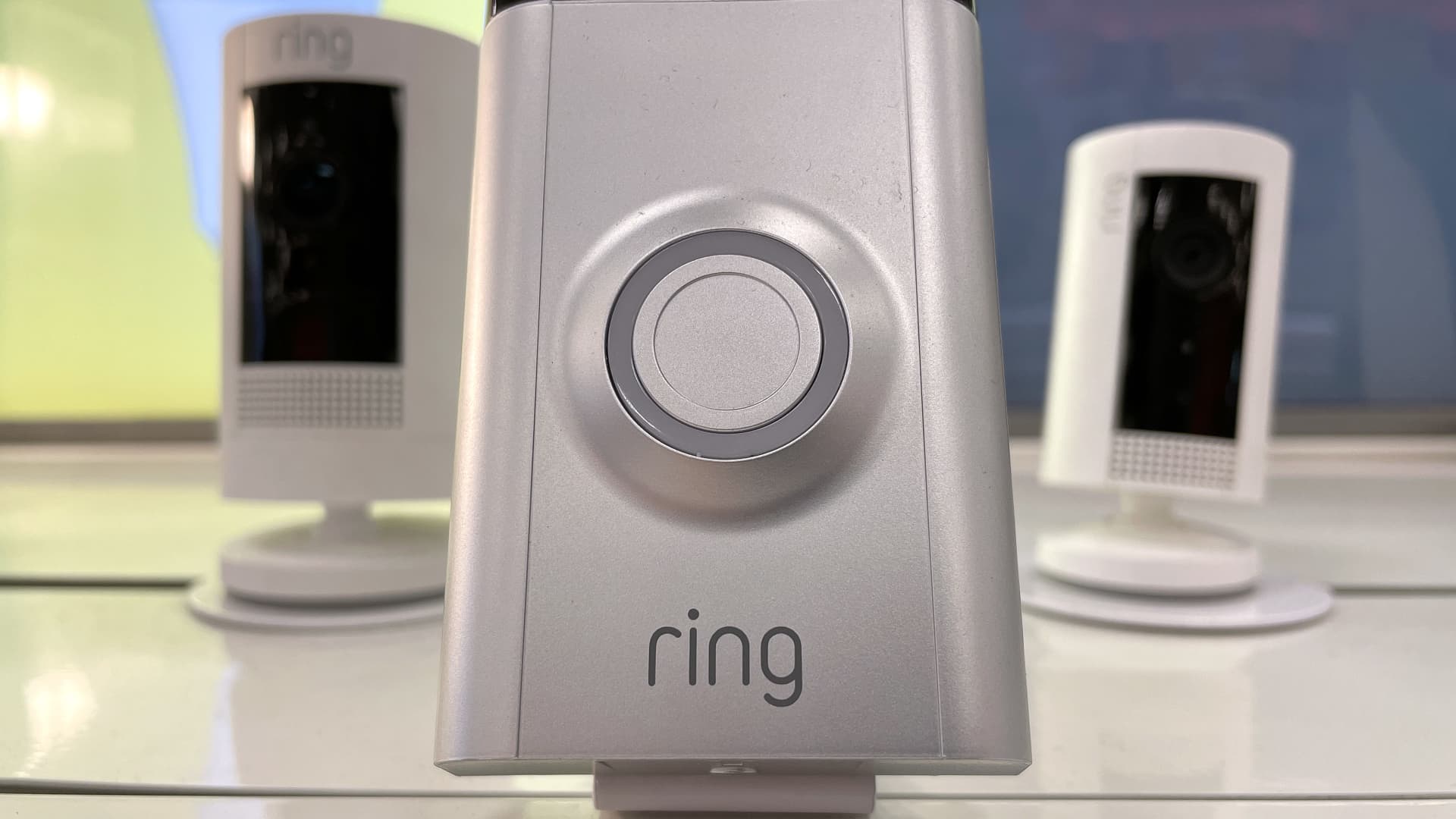
Ring Doorbell Cancels Controversial Feature After Super Bowl Ad Backlash
The Super Bowl, an annual spectacle renowned for its gridiron drama and equally anticipated commercial breaks, often serves as a launchpad for companies to unveil their latest innovations and marketing campaigns. This year, Amazon-owned smart home security giant Ring found itself in the spotlight for all the wrong reasons. Following widespread backlash, Ring has announced the cancellation of a proposed new feature, 'Search Party,' which was unveiled in its Super Bowl LVIII advertisement. The decision comes amidst a broader public discourse concerning privacy, surveillance, and the expanding reach of connected home technologies. This move highlights the delicate balance companies must strike between offering novel solutions and respecting consumer anxieties about data security and personal space.
The Super Bowl Ad That Sparked Outrage: 'Search Party' and Its Demise
Millions tuned in to watch the Super Bowl, and many were met with Ring's 30-second spot introducing 'Search Party.' The commercial, reportedly costing millions of dollars to air, aimed to present a heartwarming solution to a common problem: finding a lost pet.
What Was 'Search Party'?
The 'Search Party' feature was designed to leverage Ring's extensive network of interconnected doorbell cameras to help reunite lost pets with their owners. The concept was straightforward: if a pet went missing, its owner could upload a photo to the Ring app. The AI-driven feature would then activate a network of participating Ring cameras within a specified area, scanning their footage for images resembling the lost animal. The idea was to create a community-driven effort, powered by technology, to bring furry friends home safely.
The Public's Reaction: From Wholesome to Horrifying
While Ring's intention may have been to evoke feelings of community and helpfulness, the public reaction was largely negative, with many describing the feature as "dystopian" and "terrifying." Critics argued that even with good intentions, activating a network of private home cameras to continuously scan for images felt like a significant step towards a surveillance society. The concept of AI-powered systems constantly monitoring and analyzing video footage, even for a seemingly benign purpose like finding pets, raised alarms about the erosion of privacy and the potential for misuse.
The backlash wasn't just about the 'Search Party' feature itself; it tapped into deeper, pre-existing concerns about Ring's data handling practices and its relationship with law enforcement. Many felt that the commercial, rather than showcasing innovation, inadvertently highlighted the growing surveillance capabilities of smart home devices and the potential for these systems to be leveraged in ways that compromise individual privacy.
The Shadow of Flock Safety: A Pre-existing Privacy Concern
The 'Search Party' feature, though independent, unfortunately debuted against a backdrop of ongoing controversy surrounding Ring's collaboration with Flock Safety. This prior partnership had already primed the public for skepticism regarding Ring's approach to privacy and data sharing.
Unpacking the Flock Integration Controversy
In October, prior to the Super Bowl ad, Ring announced a planned integration with Flock Safety. Flock operates an AI-driven network of license-plate-reading (LPR) cameras, often utilized by law enforcement agencies across thousands of communities. The integration would have allowed police departments using Flock's systems to directly request video footage from Ring doorbell users through a "Community Requests" tool.
While Flock Safety and the 'Search Party' program were distinct initiatives, the public's perception often conflated the two, or at the very least, saw them as part of a larger pattern of expanding surveillance facilitated by Ring. Concerns mounted over the potential for increased police access to private home video, the lack of robust oversight, and the implications for civil liberties. Reports, though denied by Flock, that their systems had been accessed by federal agencies like ICE and CBP further fueled these anxieties, painting a picture of a company potentially facilitating widespread monitoring.
The Official Cancellation: What Amazon and Flock Said
In the wake of the 'Search Party' backlash and the persistent scrutiny over the Flock Safety partnership, Ring acted decisively. An Amazon spokesperson confirmed to NBC News that the planned Flock Safety integration with Community Requests had been canceled. "This integration was never live, and no videos were ever shared between these services," the spokesperson clarified, adding that a comprehensive review revealed the integration would require "significantly more time and resources than anticipated." Both companies ultimately made a "joint decision to cancel the integration."
Flock Safety echoed this sentiment on their website, stating, "The integration never launched, so no Ring customer videos were ever sent to Flock." They emphasized their commitment to supporting law enforcement with "tools that are fully configurable to local laws and policies," while implying the cancellation allows both companies to better serve their respective customers. This cancellation marks a significant pivot, demonstrating the powerful influence of public opinion on corporate strategy, especially when privacy is at stake.
Broader Implications: Navigating Smart Home Tech and Privacy
The Ring Doorbell controversy is a stark reminder of the evolving challenges in the smart home ecosystem. As technology becomes more integrated into our daily lives, the line between convenience and surveillance blurs, necessitating greater transparency and consumer awareness.
Lessons for Consumers: Taking Control of Your Data
For consumers, this incident underscores the critical importance of understanding the technology they bring into their homes. Here are some practical tips:
*
Read Privacy Policies: While often lengthy, privacy policies detail how your data is collected, used, and shared. Take the time to understand them for any smart device.
*
Review Data Sharing Settings: Most smart devices offer granular control over data sharing. Regularly check and adjust these settings to align with your comfort level.
*
Question "Convenience": Always weigh the perceived convenience of a feature against its privacy implications. Is finding a lost pet via a widespread camera network worth the potential privacy cost?
*
Stay Informed: Follow tech news and consumer advocacy groups to stay abreast of developments in smart home security and data privacy.
*
Consider Alternatives: Explore devices from companies with strong, transparent privacy records.
Corporate Responsibility in the Age of AI
For companies developing smart home technologies, the Ring incident offers vital lessons:
*
Transparency is Key: Clearly communicate how features work, what data is collected, and with whom it might be shared. Ambiguity breeds distrust.
*
Ethical AI Development: Beyond technical feasibility, consider the ethical and societal implications of AI features, especially those involving surveillance or personal data.
*
Proactive Engagement: Engage with privacy advocates and consumer groups during the development phase to anticipate potential concerns.
*
Prioritize User Trust: Trust is a fragile commodity. Once lost, it's incredibly difficult to regain. Prioritize user privacy and data security above all else.
*
Respond Decisively: When backlash occurs, swift and transparent action, as seen with Ring's cancellation, can mitigate long-term damage.
The Super Bowl Ad Landscape: A Tale of Contrasts
While Ring grappled with a public relations nightmare, other brands navigated the high-stakes Super Bowl advertising arena with different outcomes. The variety of commercials aired during the event highlights the diverse strategies companies employ to capture audience attention and achieve their marketing objectives.
For instance, some ads aimed for heartwarming nostalgia or playful humor, like the
M&M's Super Bowl ad featuring Scarlett Johansson and a host of "almost champions" with their unique "Rings of Comfort." This campaign cleverly repurposed the concept of a Super Bowl ring, offering a lighthearted take on success and consolation. Similarly, other commercials playfully hinted at future triumphs, such as
Tom Brady's Shields MRI commercial, which sparked fan speculation about the legendary quarterback's potential "fifth ring" – though in this context, it was a nod to his commercial work rather than another Super Bowl victory. These examples underscore how effectively brands can connect with audiences through storytelling and humor, offering a stark contrast to the serious ethical concerns raised by Ring's approach.
The Super Bowl ad stage, while lucrative, also serves as a critical litmus test for public sentiment. Brands that misjudge the mood or overstep perceived boundaries, particularly concerning sensitive issues like privacy, often face immediate and severe repercussions.
The cancellation of Ring's Flock Safety integration and the 'Search Party' feature is a clear victory for privacy advocates and a potent reminder that consumers demand accountability from tech companies. In an increasingly connected world, the balance between innovation and privacy will remain a constant, critical discussion, shaping both the products we use and the ethical frameworks that govern their development.